AI Voice: Mastering Management of Generated Audio Assets
Mastering AI voice asset management is crucial for content creators. Learn step-by-step how to classify, label, and protect intellectual property for your copyright free tune and royalty free sound effects to ensure ethical use and efficient workflows.
In the rapidly evolving world of audio production, AI voice generation has become a game-changer for content creators. From podcasts to marketing jingles, the ability to create unique vocal tracks on demand is revolutionizing workflows. Effectively classifying and managing these ai voice assets is crucial. Ensuring proper labeling is paramount, not only to streamline your creative process but also to protect intellectual property and guarantee ethical use. This guide will help you navigate the complexities of managing your ai voice library, whether you're working with a copyright free tune or integrating royalty free sound effects into your projects.
At Wubble, we understand the nuances of managing high-quality ai voice outputs, offering tools that make organization intuitive. For creators exploring the vast possibilities of Wubble AI audio platform , understanding asset classification is a foundational step. Every copyright free tune and royalty free sound effects clip deserves meticulous organization. This practice ensures your ai voice projects are always ready for deployment.
The Imperative of Clear Labeling for Your AI Voice Assets
Effective management of AI voice assets begins with a robust labeling system. Without clear classifications, your generated audio files can quickly become a disorganized mess, leading to wasted time and potential legal issues. Imagine searching for that perfect copyright free tune or specific royalty free sound effects only to find poorly named files. A structured approach ensures you can easily retrieve, reuse, and track the origin of every ai voice segment. This meticulous organization is vital for any content creator aiming for efficiency and professional output, especially when dealing with a vast library of copyright free tune and various royalty free sound effects.
Establishing a Naming Convention for Copyright Free Tune and Royalty Free Sound Effects
A consistent naming convention is the backbone of effective asset management. For your ai voice and other AI-generated audio, consider including key metadata directly in the filename. This could involve the project name, character name, emotional tone, or creation date. For example, "ProjectX_CharacterA_Happy_V1.wav" or "PodcastIntro_Jingle_Upbeat_CF.mp3". This system is especially useful when dealing with a large collection of copyright free tune and royalty free sound effects, allowing for quick identification without opening each file. Proper naming helps manage every ai voice asset effectively.
Categorizing Your AI Voice for Easy Retrieval
Beyond naming, categorizing your ai voice files into logical folders is crucial. Create folders for different projects, voice types (e.g., male narrator, female announcer), emotions, or intended use cases. This hierarchical structure simplifies browsing and ensures that whether you need a dramatic ai voice for a trailer or a subtle royalty free sound effects for background ambiance, you know exactly where to look. This proactive approach prevents headaches down the line when deadlines loom and you need that specific copyright free tune. Managing your copyright free tune and royalty free sound effects becomes effortless with good categorization.
Leveraging Metadata for Enhanced Royalty Free Sound Effects Management
Modern audio management often goes beyond simple file names and folders. Embedding metadata directly into your audio files provides a richer layer of information. This can include copyright information, usage rights, generation parameters, and even AI model specifics. For ai voice assets, this might mean noting the specific Wubble model used or custom parameters applied. For a copyright free tune or royalty free sound effects, metadata can specify attribution requirements or license details, which is critical for compliance and protecting your projects. This depth of information enhances every ai voice asset.
Protecting Intellectual Property and Ensuring Ethical AI Voice Use
The ethical implications of AI voice are significant. As creators, it's our responsibility to understand the origins and usage rights of every ai voice we employ. Clearly labeling assets helps differentiate between entirely original AI creations, adaptations of existing works, or AI-generated content based on licensed inputs. This clarity is essential for avoiding infringement and maintaining ethical standards. When you use a copyright free tune or royalty free sound effects, knowing its source and terms through clear labeling is paramount. This vigilance applies to every copyright free tune and all royalty free sound effects in your library.
It is also important to consider the underlying data used to train ai voice models. While platforms like Wubble ensure ethical sourcing, creators must remain vigilant. Proper classification of your own outputs, including any copyright free tune or royalty free sound effects you generate, is a proactive step in intellectual property protection. This practice not only safeguards your creations but also upholds industry standards for responsible ai voice technology use. You're building a reputable collection of copyright free tune and royalty free sound effects.
Best Practices for Archiving and Version Control of AI Voice Assets
Effective asset management extends to archiving and version control. As your projects evolve, so too will your ai voice assets. Implement a system for saving different iterations, clearly labeling them with version numbers or dates. This prevents accidental overwrites and allows you to revert to previous versions if needed. For large collections of copyright free tune or royalty free sound effects, cloud storage solutions with robust versioning are invaluable. This structured approach ensures every ai voice rendition is accounted for.
Consider Wubble's collaborative features which streamline this process, allowing teams to manage and share ai voice assets securely. Our platform makes it easier to track changes and ensure everyone is working with the most current versions of your generated audio, whether it's a specific copyright free tune or a suite of royalty free sound effects. This minimizes confusion and maximizes creative synergy, making your ai voice projects run smoother.
The Future of AI Voice and Audio Asset Management
As AI voice technology continues to advance, so too will the methods for managing its outputs. Future developments may include AI-powered classification systems that automatically tag and organize your copyright free tune and royalty free sound effects based on content analysis. Staying ahead of these trends means adopting robust practices today. Understanding how to manage your ai voice effectively is not just about current convenience; it's about future-proofing your creative workflow. For instance, OpenAI research often points to innovations in this space.
Platforms like Wubble are continually integrating cutting-edge features to simplify the ethical creation and management of ai voice and other AI-generated audio. From generating unique copyright free tune compositions to providing a library of royalty free sound effects, we empower creators to focus on their art, confident that their assets are organized and protected. You can explore our pricing plans to see how Wubble can elevate your audio production, including managing your copyright free tune and royalty free sound effects efficiently.
Conclusion: Mastering Your AI Voice Library
Effectively classifying and managing your AI voice assets is no longer optional; it's a fundamental skill for modern content creators. By implementing clear naming conventions, leveraging metadata, and adopting robust organizational systems, you can protect your intellectual property, ensure ethical use, and streamline your creative process. The journey to mastering your ai voice library, whether it includes a unique copyright free tune or a vast collection of royalty free sound effects, begins with intentional organization.
Embrace these practices to transform potential chaos into a powerful, accessible resource. With tools like Wubble, managing your ai voice outputs, from a custom copyright free tune to essential royalty free sound effects, becomes an integrated part of your success. Your dedication to proper asset management will not only enhance your productivity but also solidify your reputation as a responsible and innovative creator in the age of ai voice. This strategic approach to every copyright free tune and royalty free sound effects ensures long-term creative freedom.
You Might Also Like

Copyright Free Music: Protecting Artists in the AI Era
Explore emerging industry standards, organizations, and initiatives protecting human artists' intellectual property and ensuring fair pay amidst AI's rise. Understand how these efforts influence the availability of truly copyright free music, royalty free sound effects, and a copyright free tune for your projects.
How to Go Live on Instagram: Elevate Streams with AI Music
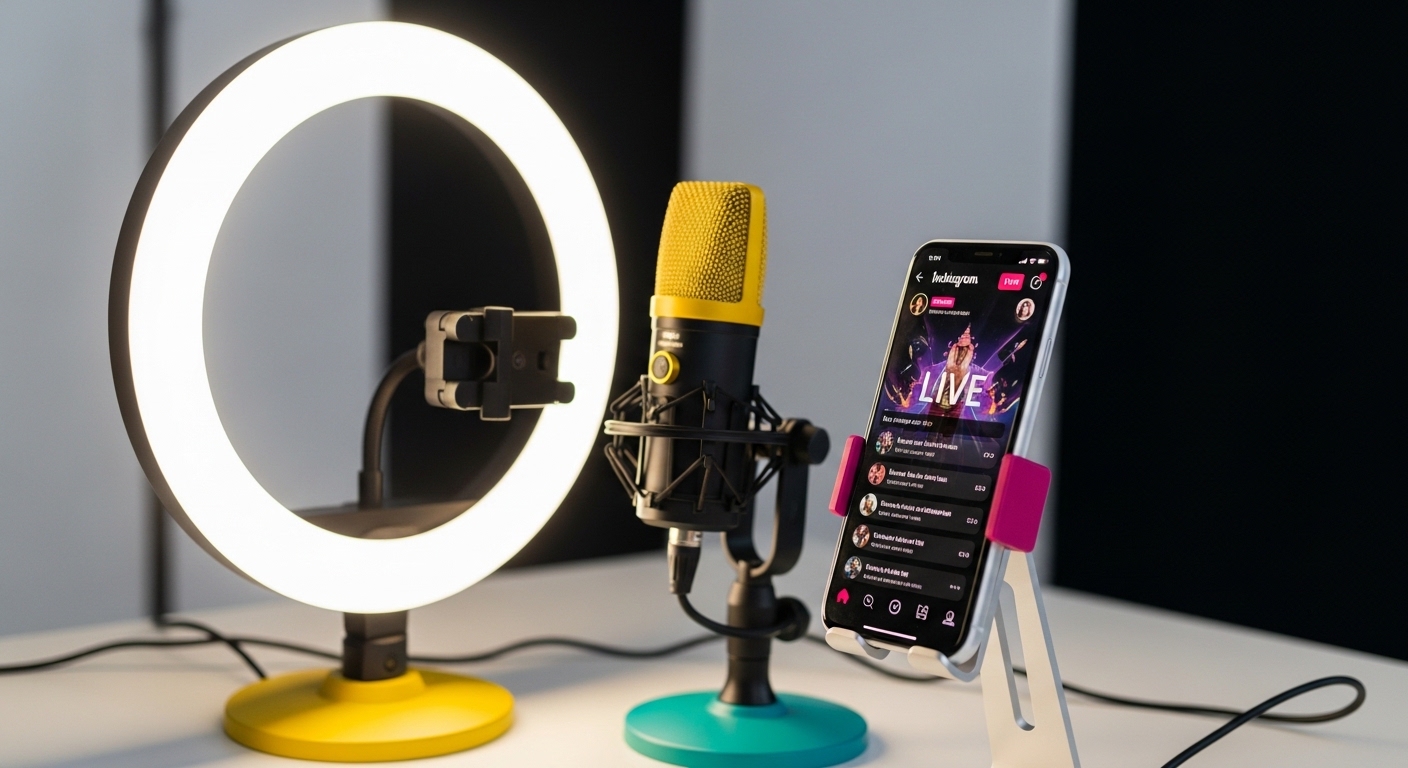
Discover how to go live on instagram with AI-generated music. This step-by-step guide helps non-musicians elevate their live streams using a copyright free tune and free music and downloads from Wubble, making content engaging and professional.
How to Go Live on Instagram with AI-Powered Custom Music
Discover how to go live on Instagram with dynamic, AI-generated music and voice. Wubble empowers non-musicians to create responsive soundtracks and access free music and downloads, transforming live content.