AI Voice: Building Trust in the Era of Digital Narratives
Harness the power of AI voice technology to build trust. Overcome skepticism by focusing on consistent quality, appropriate context, and transparent usage for your voiceovers.
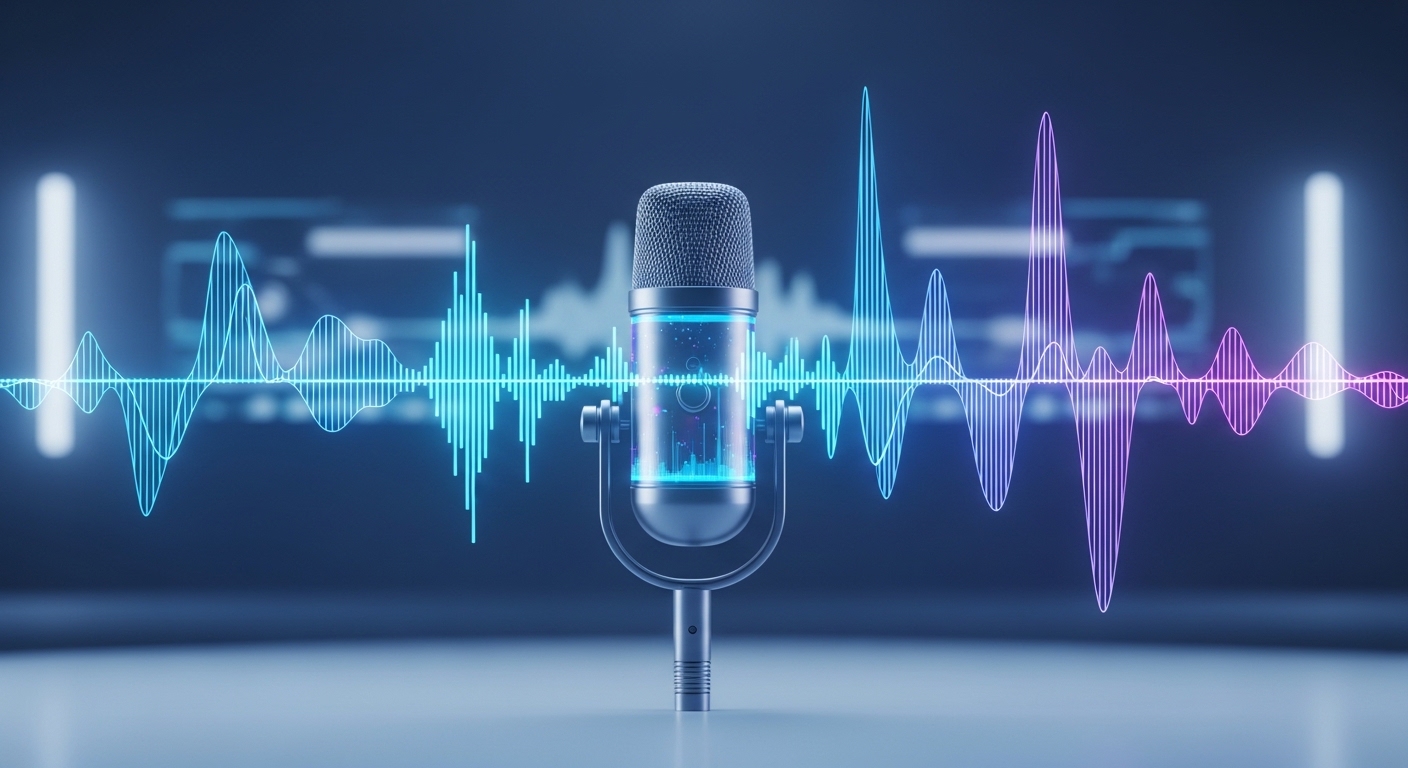
The rise of AI voice technology has revolutionized content creation, offering unparalleled efficiency for generating voiceovers. Yet, alongside its immense potential, a persistent skepticism towards AI voices remains. Content creators, podcasters, and marketers are eager to leverage the power of AI voice generation, but they often face an audience wary of synthetic sound. At Wubble, we understand this challenge. Our platform empowers you to create authentic, high-quality voiceovers that resonate. This article explores strategies to build trust, ensuring your AI voices are not just heard, but believed.
In today's fast-paced digital landscape, the demand for engaging audio content, from podcasts to explainer videos, has never been higher. This is where advanced AI voice solutions, like those offered by Wubble's AI voice generation features, become invaluable. They streamline production, allowing creators to produce vast amounts of compelling voiceovers without the traditional time and cost constraints. However, the path to widespread acceptance for AI voices requires careful navigation, addressing genuine user concerns head-on. Building trust isn't just about technological prowess; it's about thoughtful application of AI voice technology.
Understanding the Skepticism Around AI Voices
Why do some audiences react negatively to AI voices? The primary reason often stems from perceived inauthenticity. Early iterations of AI voice technology frequently sounded robotic, devoid of the nuances, emotions, and inflections that define human speech. This can create a disconnect, making content feel impersonal. Even as the technology improves, the ghost of those early, less sophisticated voiceovers lingers, contributing to a general wariness. Overcoming this requires a commitment to excellence in every AI voice production to truly make a difference in how AI voices are perceived.
The "Uncanny Valley" of AI Voice
The concept of the "uncanny valley" applies profoundly to AI voice technology. When AI voices sound almost human but not quite, they can evoke feelings of unease or even revulsion. This psychological phenomenon explains why a perfectly human-sounding AI voice is accepted, while one that's slightly off can be unsettling. Creators using AI voices for their voiceovers must strive for voices that are indistinguishable from human speech, or at least transparently synthetic in a way that doesn't trigger this valley. Continuous advancements in AI voice models, often powered by deep learning research like that published by Google AI Research, are closing this gap rapidly for all AI voice applications.
Consistent Quality: The Cornerstone of Trust for Voiceovers
The single most effective way to combat skepticism is by delivering consistently high-quality AI voices. Poor audio quality, unnatural pacing, or mispronounced words can instantly shatter an audience's trust. Wubble's cutting-edge AI voice synthesis ensures that your voiceovers are clear, articulate, and naturally flowing. This commitment to quality means that every AI voice you generate will sound professional, whether for a podcast or a marketing campaign, building confidence in your AI voices.
Crafting Realistic AI Voices
Achieving realism with AI voices goes beyond just clear pronunciation. It involves incorporating subtle elements like breath sounds, varied intonation, and appropriate emotional tones. Content creators, especially podcasters, should experiment with different AI voice profiles available on platforms like Wubble to find the perfect match for their brand and message. Utilizing features that allow for fine-tuning of pitch, speed, and emphasis can transform a good AI voice into an exceptional one, making your voiceovers truly compelling. The goal is to make listeners forget they are hearing an AI voice at all, ensuring that all voiceovers are engaging.
Context is King: When and Where to Use AI Voice
The appropriateness of using AI voice technology is heavily dependent on context. For informational content, instructional videos, or news updates, AI voices can be highly effective and well-received, especially for creating diverse voiceovers for global audiences. However, for highly sensitive topics or deeply personal narratives, a human voice might still be preferred. Understanding your audience and the nature of your content is crucial for deciding when AI voices will enhance, rather than detract from, your message. This thoughtful application of AI voice is key to trust.
Strategic Integration of AI Voice in Narratives
Consider where AI voices can provide maximum impact without compromising authenticity. For instance, using AI voice for background characters, disclaimers, or even entire segments of a narrative that are meant to sound a certain way can be incredibly effective. For Wubble pricing plans](/pricing) and features, AI voice ensures consistent branding across all informational content. Some creators even use AI voices to prototype scripts before hiring human talent, saving significant production time and costs on voiceovers. This strategic approach to integrating AI voice ensures that the technology serves the story, not the other way around. Recent breakthroughs, as shared by [OpenAI research, continue to expand the possibilities for nuanced AI voice applications and advanced voiceovers.
Transparency Builds Bridges: Openly Using AI Voice Technology
Perhaps the most straightforward strategy for building trust is transparency. Be open with your audience about your use of AI voice technology. A simple disclaimer, "This audio features AI voices," can often alleviate skepticism and build goodwill. When audiences know what to expect, they are generally more accepting. Transparency demonstrates honesty and confidence in the quality of your AI voice content. This approach helps normalize AI voices as a legitimate tool in the creator's toolkit, making voiceovers more accessible.
Content creators can use this transparency to educate their audience about the benefits of AI voice technology, such as speed, cost-effectiveness, and the ability to generate voiceovers in multiple languages. By framing AI voices as an innovative solution rather than a replacement for human creativity, you invite your audience to share in the excitement of technological progress. This open dialogue fosters a more informed and accepting community for all forms of voiceovers.
Conclusion: Embracing the Future of Voiceovers with Trust
The journey to widespread acceptance of AI voice technology is ongoing, but by focusing on consistent quality, appropriate context, and transparent usage, content creators can successfully build trust with their audiences. Platforms like Wubble are at the forefront, providing sophisticated AI voice solutions that allow for the creation of incredibly realistic and emotionally resonant voiceovers. Embracing AI voices isn't about sacrificing authenticity; it's about enhancing production capabilities and exploring new creative frontiers for marketing and advertising and beyond.
As AI voice technology continues to evolve, its potential to transform how we create and consume audio content will only grow. By prioritizing the listener's experience and being upfront about technology, content creators can ensure that their AI voices are not just heard, but valued. The future of engaging voiceovers is here, powered by intelligent AI voices and built on a foundation of trust. Start creating your compelling AI voice projects with Wubble today and experience the difference.
You Might Also Like

Copyright Free Music Download: Ethical Choices for Creators
Struggling to find ethical copyright free music download options? Discover how to access high-quality copyright free music for your projects, including music youtube free, without compromising artistic integrity. Wubble guides you.
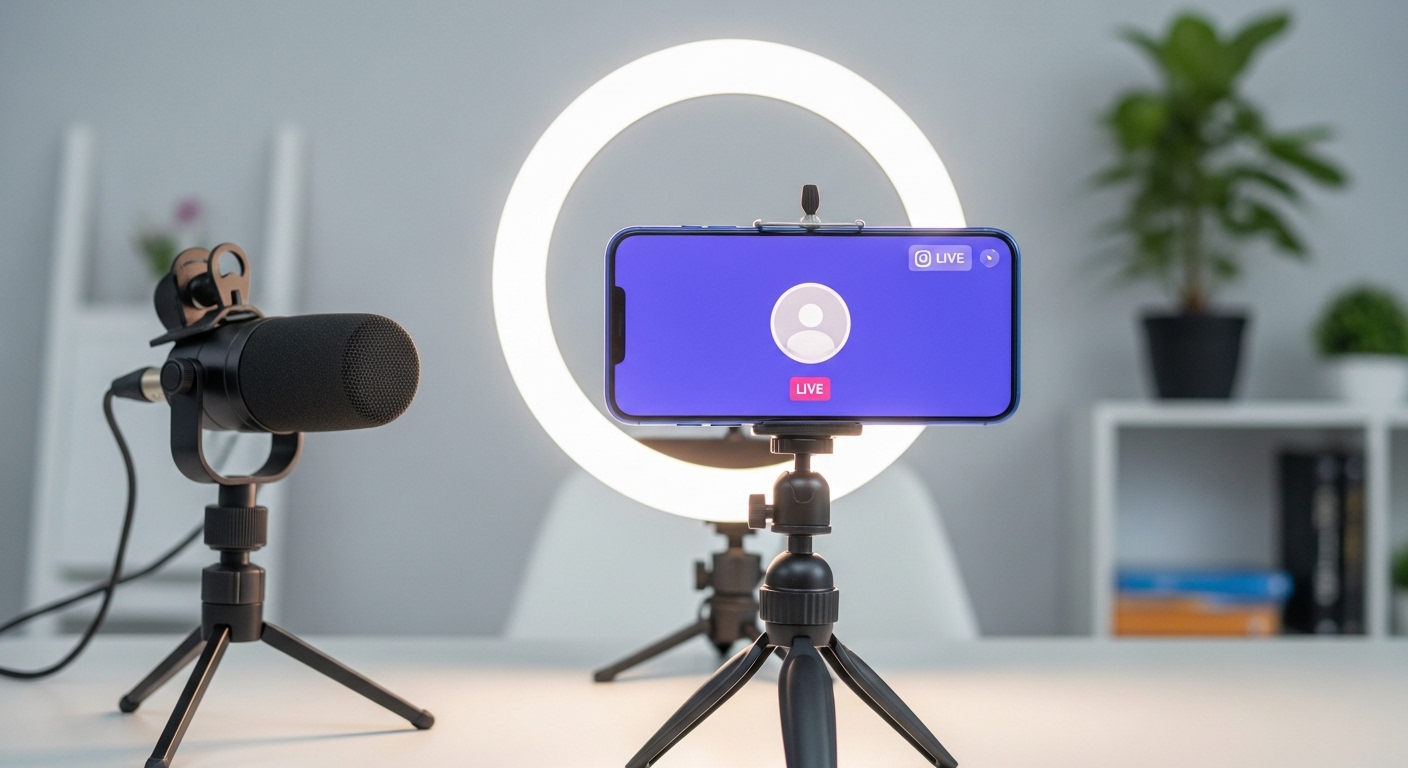
How to Go Live on Instagram: Elevate with Wubble's AI Sound
Learn how to go live on instagram with professional-sounding audio. Discover free music for youtube videos alternatives and powerful ai voice tools from Wubble to make your live streams more engaging and polished, no musical background required.
How to Go Live on Instagram with AI-Powered Custom Music
Discover how to go live on Instagram with dynamic, AI-generated music and voice. Wubble empowers non-musicians to create responsive soundtracks and access free music and downloads, transforming live content.